

Basa Tulu
| Tulu | |
|---|---|
| Tuḷu Bāse , ತುಳು ಬಾಸೆ, തുളു ബാസെ[1] | |
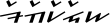
 Kata Tulu titulis dilom huruf Tulu-Tigalari | |
| Pangucapan | [t̪uɭu baːsɛ] |
| Tipakay di | Hulu Ngalawok Karnataka rik Kerala Liba, India |
| Wilayah | India Hulu (Tulu Nadu)
|
| Etnik | Tuluv |
Jumlah panutur | 1,850,000 (2011 sensus)[5] |
Dravida
| |
| Diyalik | Brahma Liba, Liba Umum, Brahma Hulu, Hulu Umum |
| Tigalari Kannada Malayalam | |
| Kode basa | |
| ISO 639-3 | tcy |
| Glottolog | tulu1258 |
 Major distribution of native Tulu speakers in India | |
 Tulu is classified as Vulnerable by the UNESCO Atlas of the World's Languages in Danger[6] | |
| Sikor | Tuḷuva |
|---|---|
| Bangsa | Tuḷuver |
| Basa | Tuḷu |
| Nagara | Tuḷu Nāḍŭ |

Basa Tulu joda da Rumpun basa Dravida say dituturko Jolma Tulu rik tipakay di nagara India.
Huruf
[dandani | dandani sumbor]Huruf Kannada
[dandani | dandani sumbor]| Mak busuwara | Mak busuwara ngahombus |
Busuwara | Busuwara ngahombus |
Nasal | |
|---|---|---|---|---|---|
| Velar | ಕ ka
|
ಖ kha
|
ಗ ga
|
ಘ gha
|
ಙ ṅa
|
| Palatal | ಚ ca
|
ಛ cha
|
ಜ ja
|
ಝ jha
|
ಞ ña
|
| Retrofleks | ಟ ṭa
|
ಠ ṭha
|
ಡ ḍa
|
ಢ ḍha
|
ಣ ṇa
|
| Dental | ತ ta
|
ಥ tha
|
ದ da
|
ಧ dha
|
ನ na
|
| Labial | ಪ pa
|
ಫ pha
|
ಬ ba
|
ಭ bha
|
ಮ ma
|
ಯ ya
|
ರ ra
|
ಱ ṟa
|
ಲ la
|
ವ va
|
ಶ śa
|
ಷ ṣa
|
ಸ sa
|
ಹ ha
|
ಳ ḷa
|
ೞ ḻa
|
| Posay | ಅ a
|
ಆ ā
|
ಇ i
|
ಈ ī
|
ಉ u
|
ಊ ū
|
ಋ r̥
|
ೠ r̥̄ [note 1]
|
ಌ l̥ [note 1]
|
ೡ l̥̄ [note 1]
|
ಎ e
|
ಏ ē
|
ಐ ai
|
ಒ o
|
ಓ ō
|
ಔ au
|
|---|---|---|---|---|---|---|---|---|---|---|---|---|---|---|---|---|
| Citakan Diyakritik | - a
|
ಾ ā
|
ಿ i
|
ೀ ī
|
ು u
|
ೂ ū
|
ೃ r̥
|
ೄ r̥̄ [note 1]
|
ೢ l̥ [note 1]
|
ೣ l̥̄ [note 1]
|
ೆ e
|
ೇ ē
|
ೈ ai
|
ೊ o
|
ೋ ō
|
ೌ au
|
| Diyakritik rik huruf ದ | ದ + ದ IPA: /d̪a/
|
ದ + ಾ ದಾ IPA: /d̪aː/
|
ದ + ಿ ದಿ IPA: /d̪i/
|
ದ + ೀ ದೀ IPA: /d̪iː/
|
ದ + ು ದು IPA: /d̪u/
|
ದ + ೂ ದೂ IPA: /d̪uː/
|
ದ + ೃ ದೃ IPA: /d̪ru/
|
ದ + ೄ ದೄ IPA: /d̪ruː/
|
ದ + ೢ ದೢ IPA: /d̪ruː/
|
ದ + ೣ ದೣ IPA: /d̪ruː/
|
ದ + ೆ ದೆ IPA: /d̪e/
|
ದ + ೇ ದೇ IPA: /d̪eː/
|
ದ + ೈ ದೈ IPA: /dai/
|
ದ + ೊ ದೊ IPA: /d̪o/
|
ದ + ೋ ದೋ IPA: /d̪oː/
|
ದ + ೌ ದೌ IPA: /d̪au/
|
| Citakan Diyakritik | ಂ ṁ
|
ಃ ḥ
|
ೱ ḥ
|
ೲ ḫ
|
|---|---|---|---|---|
| Diyakritik rik huruf ಅ | ಅಂ aṁ
|
ಅಃ aḥ
|
ಅೱ ḥ
|
ಅೲ ḫ
|
| Diyakritik rik huruf ದ | ದ + ಂ ದಂ IPA: /d̪am̃/
|
ದ + ಃ ದಃ IPA: /d̪ah/
|
ದ + ೱ ದೱ IPA: [x]
|
ದ + ೲ ದೲ IPA: [ɸ]
|
0 sonne ೦
|
1 ondu ೧
|
2 eraḍu ೨
|
3 mūru ೩
|
4 nālku ೪
|
5 aidu ೫
|
6 āru ೬
|
7 ēḷu ೭
|
8 enṭu ೮
|
9 oṃbattu ೯
|
Huruf Tulu-Tigalari
[dandani | dandani sumbor]
Huruf Malayalam
[dandani | dandani sumbor]| Mak busuwara | Busuwara | ||||
|---|---|---|---|---|---|
| Mak tihisok | Tihisok | Mak tihisok | Tihisok | Nasal (Irung) | |
| Velar | ക ka IPA: /ka/ KA
|
ഖ kha IPA: /kʰa/ KHA
|
ഗ ga IPA: /ɡa/ GA
|
ഘ gha IPA: /ɡʱa/ GHA
|
ങ ṅa IPA: /ŋa/ NGA
|
| Postalveolar atawa Alveolo-palatal |
ച ca IPA: /t͡ʃa/ CHA
|
ഛ cha IPA: /t͡ʃʰa/ CHHA
|
ജ ja IPA: /d͡ʒa/ JA
|
ഝ jha IPA: /d͡ʒʱa/ JHA
|
ഞ ña IPA: /ɲa/ NHA (nja)
|
| Retroflex | ട ṭa IPA: /ʈa/ TTA (hard ta)
|
ഠ ṭha IPA: /ʈʰa/ TTHA (hard tha)
|
ഡ ḍa IPA: /ɖa/ DDA (hard da)
|
ഢ ḍha IPA: /ɖʱa/ DDHA (hard dha)
|
ണ ṇa IPA: /ɳa/ NNA (hard na)
|
| Dental | ത ta IPA: /t̪a/ TA (soft ta)
|
ഥ tha IPA: /t̪ʰa/ THA (soft tha)
|
ദ da IPA: /d̪a/ DA (soft da)
|
ധ dha IPA: /d̪ʱa/ DHA (soft dha)
|
ന na IPA: /n̪a, na/ NA (soft na)
|
| Labial | പ pa IPA: /pa/ PA
|
ഫ pha IPA: /pʰa/ PHA
|
ബ ba IPA: /ba/ BA
|
ഭ bha IPA: /bʱa/ BHA
|
മ ma IPA: /ma/ MA
|
യ ya IPA: /ja/ YA
|
ര ra IPA: /ɾa/ RA
|
ല la IPA: /la/ LA
|
വ va IPA: /ʋa/ VA
|
ശ śa IPA: /ɕa/ SHA
|
ഷ ṣa IPA: /ʂa/ SSA
|
സ sa IPA: /sa/ SA
|
ഹ ha IPA: /ha/[8] HA
|
ള ḷa IPA: ɭ LLA
|
ഴ ḻa IPA: ɻ LLLA
|
റ ṟa IPA: /ra, ta/ RRA[note 1]
|
ഩ ṉa IPA: /na/ NNNA[note 2]
|
ഺ ṯa IPA: /ta/ TTTA[note 3]
|
- ↑ (1) Repetition of this letter (റ + റ) represents a geminated voiceless alveolar plosive, /tːa/, it can also occur initially in loans where it can not be geminated; (2) chillu-n + this letter (ൻ + റ) often represents [nda]; (3) otherwise alveolar trill (apical) /ra/.
- ↑ Corresponds to Tamil ṉa ன. Used rarely in scholarly texts to represent the alveolar nasal, as opposed to the dental nasal.[9] In ordinary texts both are represented by na ന.
- ↑ Used rarely in scholarly texts to represent the voiceless alveolar plosive, as opposed to the voiceless dental plosive represented by ta ത. In ordinary texts this sound is represented by ṟṟa റ്റ.[9]
| Buntak | Tijang | |||||
|---|---|---|---|---|---|---|
| Posay | Bugantung | Posay | Bugantung | |||
| Tanda vokal | Cuntuh | Tanda vokal | Cuntuh | |||
| a | അ a /a/ |
(makka) | പ pa /pa/ |
ആ ā /aː/ |
ാ |
പാ pā /paː/ |
| i | ഇ i /i/ |
ി |
പി pi /pi/ |
ഈ ī /iː/ |
ീ |
പീ pī /piː/ |
| u | ഉ u /u/ |
ു |
പു pu /pu/ |
ഊ ū /uː/ |
ൂ |
പൂ pū /puː/ |
| r̥ | ഋ r̥ /rɨ/ |
ൃ |
പൃ pr̥ /prɨ/ |
ൠ r̥̄ /rɨː/ |
ൄ |
പൄ pr̥̄ /prɨː/ |
| l̥ | ഌ l̥ /lɨ/ |
ൢ |
പൢ pl̥ /plɨ/ |
ൡ l̥̄ /lɨː/ |
ൣ |
പൣ pl̥̄ /plɨː/ |
| e | എ e /e/ |
െ |
പെ pe /pe/ |
ഏ ē /eː/ |
േ |
പേ pē /peː/ |
| o | ഒ o /o/ |
ൊ |
പൊ po /po/ |
ഓ ō /oː/ |
ോ |
പോ pō /poː/ |
| Posay | Bugantung | ||
|---|---|---|---|
| Tanda vokal | Cuntuh | ||
| ai | ഐ ai /ai̯/ |
ൈ |
പൈ pai /pai̯/ |
| au | ഔ au /au̯/ |
ൌ (arkaik) |
പൌ pau /pau̯/ |
| ൗ (modern) |
പൗ pau /pau̯/ | ||
| aṁ | അം aṁ /am/ |
ം m̐ /m/ |
പം paṁ /pam/ |
|---|
| aḥ | അഃ aḥ /ah/ |
ഃ ḥ /h/ |
പഃ paḥ /pah/ |
|---|
| kka | ṅka | ṅṅa | cca | ñca | ñña | ṭṭa | ṇṭa | ṇṇa | tta | nta | nna | ppa | mpa | mma | |
|---|---|---|---|---|---|---|---|---|---|---|---|---|---|---|---|
| Mak tiligasi | ക്ക | ങ്ക | ങ്ങ | ച്ച | ഞ്ച | ഞ്ഞ | ട്ട | ണ്ട | ണ്ണ | ത്ത | ന്ത | ന്ന | പ്പ | മ്പ | മ്മ |
| Tiligasi | ക്ക | ങ്ക | ങ്ങ | ച്ച | ഞ്ച | ഞ്ഞ | ട്ട | ണ്ട | ണ്ണ | ത്ത | ന്ത | ന്ന | പ്പ | മ്പ | മ്മ |
| cca | bba | yya | vva | |
|---|---|---|---|---|
| Mak tiligasi | ച്ച | ബ്ബ | യ്യ | വ്വ |
| Tiligasi | ച്ച | ബ്ബ | യ്യ | വ്വ |
| nṯa | ṯṯa | |
|---|---|---|
| Mak tiligasi | ന്റ | റ്റ |
| Tiligasi | ന്റ | റ്റ |
| Digraf | ൻറ | ററ |
| 0 | 1 | 2 | 3 | 4 | 5 | 6 | 7 | 8 | 9 | 10 | 100 | 1000 | ¼ | ½ | ¾ |
|---|---|---|---|---|---|---|---|---|---|---|---|---|---|---|---|
| ൦ | ൧ | ൨ | ൩ | ൪ | ൫ | ൬ | ൭ | ൮ | ൯ | ൰ | ൱ | ൲ | ൳ | ൴ | ൵ |
| 11 | 20 | 21 | 30 | 110 | 10,099 |
|---|---|---|---|---|---|
| ൰൧ | ൨൰ | ൨൰൧ | ൩൰ | ൱൰ | ൰൲൯൰൯ |
Rujukan
[dandani | dandani sumbor]- ↑ Tulu can be written in three different scripts: Tulu bāse is written
 in Tulu script, ತುಳು ಬಾಸೆ in Kannada script, and തുളു ഭാഷെ in Malayalam script. ಭಾಷೆ bhāṣe, ಭಾಶೆ, bhāśe, and ಬಾಶೆ bāśe are alternative spellings for the Tulu word bāse in the Kannada script. The correct spelling for the word "language" in Kannada is ಭಾಷೆ bhāṣe, but that is not necessarily true in Tulu. Männer's Tulu-English and English-Tulu Dictionary (1886) says, "ಬಾಶೆ, ಬಾಸೆ bāšè, bāsè, see ಭಾಷೆ." (vol. 1, p. 478), "ಭಾಶೆ, ಭಾಷೆ bhāšè, bhāshè, s. Speech, language." (vol. 1, p. 508), meaning that the four spellings are more or less acceptable. The word is actually pronounced ಬಾಸೆ bāse in Tulu. Note that š and sh in his dictionary correspond to ś and ṣ, respectively, in ISO 15919
- ↑ Kasalahan dilom pangutipan: Tanda
<ref>tidak sah; tidak ditemukan teks untuk ref bernama "BhatSteveer" - ↑ Kasalahan dilom pangutipan: Tanda
<ref>tidak sah; tidak ditemukan teks untuk ref bernama "acharya1b" - ↑ Kasalahan dilom pangutipan: Tanda
<ref>tidak sah; tidak ditemukan teks untuk ref bernama "ciil.org" - ↑ "ABSTRACT OF SPEAKERS' STRENGTH OF LANGUAGES AND MOTHER TONGUES - 2011" (PDF). censusindia.gov.in. Indian Census 2011, Government of India. Archived (PDF) from the original on 14 November 2018. Retrieved 7 July 2018.
- ↑ Citakan:Cite UNESCO Atlas
- ↑ 7,0 7,1 Obsolete in modern Kannada.
- ↑ Kasalahan dilom pangutipan: Tanda
<ref>tidak sah; tidak ditemukan teks untuk ref bernama "Grammatical Sketch" - ↑ 9,0 9,1 Everson, Michael (2007). "Proposal to add two characters for Malayalam to the BMP of the UCS" (PDF). ISO/IEC JTC1/SC2/WG2 N3494. Archived from the original (PDF) on 24 November 2020. Retrieved 2009-09-09.

Kaban:
- Artikel mengandung aksara Malayalam
- Pages with plain IPA
- Artikel mengandung aksara Tamil
- Halaman dengan kesalahan referensi
- Artikel mengandung aksara non-Indonesia
- Artikel mengandung aksara Kannada
- ISO language articles citing sources other than Ethnologue
- Pages using Template:Script with unknown input
- Basa